
 Hydrochlorothiazide and Dehydration: What to Watch for
http://vasohealthcare.com/styles/bg/png/buspar.html
How Hydrochlorothiazide Can Trigger Fluid Loss
Hydrochlorothiazide helps the body remove extra salt and water by making the kidneys send more fluid into the urine. That can be useful for lowering blood pressure, but it also means your daily fluid balance can shift faster than you expect. When the medicine is working well, you may notice more frequent bathroom trips and a lighter feeling in your body, yet that same process can quietly reduce hydration if you do not replace lost fluids.
Teh risk is greater on hot days, after excercise, or if you already sweat a lot. Even mild fluid loss can leave you feeling tired, dizzy, or unusually dry.
| Risk | Effect |
| More urination | Less body water |
Early Warning Signs of Dehydration to Notice

A dry mouth, unusual thirst, and darker urine can be the first clues that hydrochlorothiazide is pulling too much fluid from the body. You may also feel lightheaded when standing, as if the room tilts for a moment.
Fatigue can creep in quietly, turning simple tasks into a slog. Headaches, muscle cramps, and a noticable drop in energy often appear before dehydration becomes severe.
Sometimes the signs are subtle: less frequent urination, a dry tongue, or feeling unusually weak after a normal day. Teh body often whispers first, so paying attention matters.
If these symptoms keep building, it is wise to pause and check in with a healthcare professional. Catching dehydration early can prevent a small problem from becoming a bigger one.
Everyday Habits That Increase Dehydration Risk
Skipping breakfast, chasing coffee, or sweating through a long walk can quietly drain the body. With hydrochlorothiazide, these habits may make thirst and lightheadedness more Teh noticeable.
Alcohol, salty takeout, and long hours in heat add to fluid loss. Even small choices matter when hydration is already stretched thin.
If you exercise hard or forget water during busy days, dehydration can build fast. A simple bottle nearby helps you stay ahead.
Listen to your body, because dryness, fatigue, and darker urine are early clues that your routine needs a change.
Who Should Be Extra Careful on This Medication
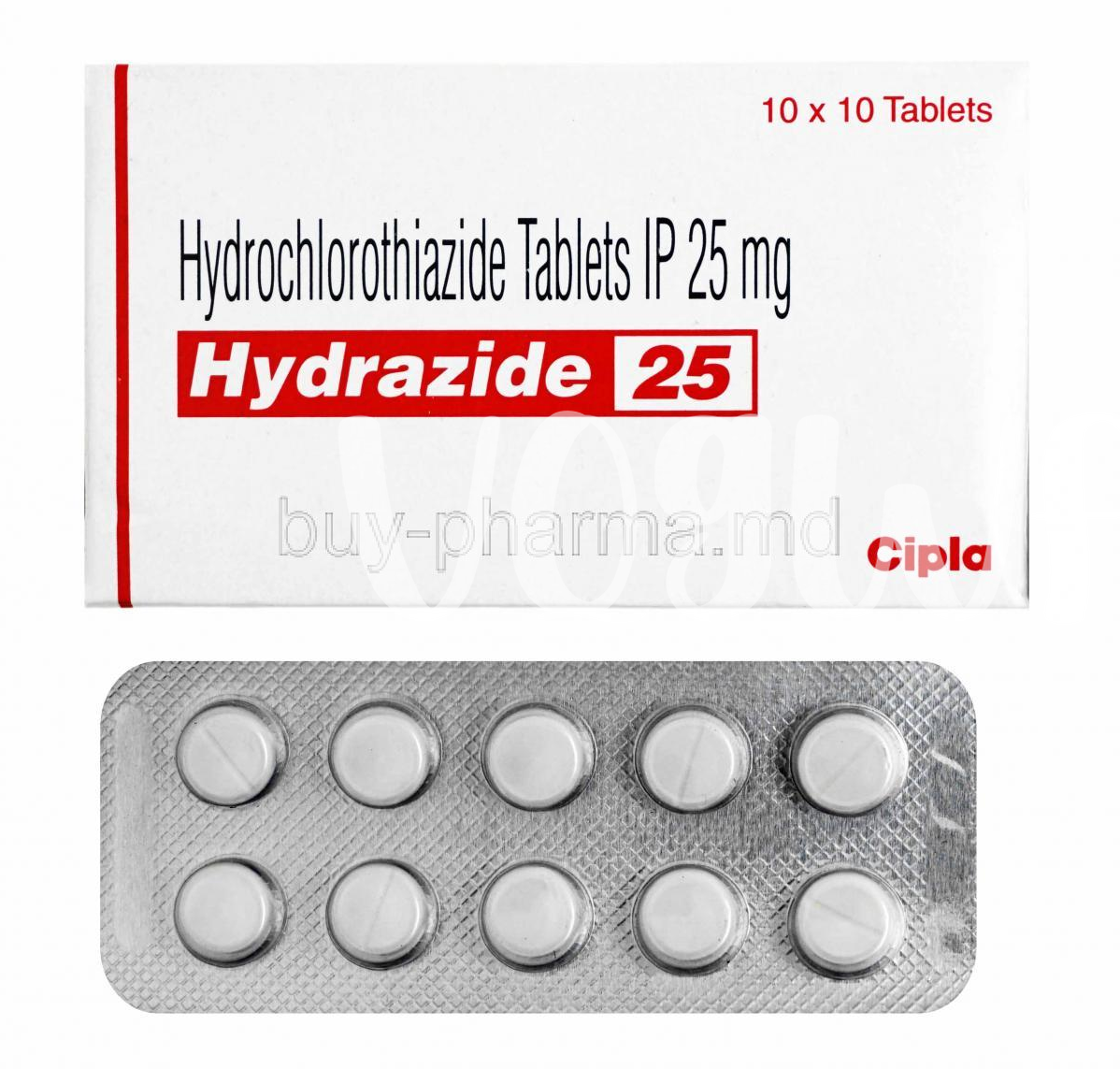
Older adults often need extra caution, especially if they already use blood pressure medicines or have kidney issues. Hydrochlorothiazide can lower fluid levels faster than expected, making weakness and dizziness more likely. People who sweat heavily, follow low-salt diets, or drink too little water should watch closely too. Teh risk is also higher during hot weather, when the body loses fluid quicker. A doctor may suggest closer monitoring, because small changes can become serious fast.
Smart Ways to Stay Hydrated Safely
Sip water steadily through the day, not in a rush. With hydrochlorothiazide, your body may lose more fluid than usual, so small, frequent drinks often work better than waiting until thirst feels strong.
Pair fluids with foods that help, like soup, fruit, or yogurt. If you sweat, exercise, or spend time in heat, add extra water and keep an eye on dizziness or dry mouth.
A simple routine can help: carry a bottle, check urine color, and avoid overdoing caffeine or alcohol. These small steps can keep hydration balanced and make the medicine easier to tolerate.
| Habit | Why it helps |
|---|---|
| Drink often | Supports steady fluid levels |
| Eat water-rich foods | Adds gentle hydration |
| Limit alcohol | Reduces extra fluid loss |
When Dehydration Symptoms Need Medical Attention
If dizziness turns into fainting, confusion, a racing heartbeat, or very dark urine, it may be more than mild fluid loss. Hydrochlorothiazide can leave the body depleted faster than expected, especially after sweating, vomiting, or a poor day of drinking. In that moment, the body is not just thirsty—it is warning you that something more serious may be happening.
Seek medical help quickly if symptoms do not improve after sipping fluids, or if you cannot keep liquids down at all. Teh risk rises when weakness becomes severe, cramps intensify, or you feel short of breath. A clinician may need to check blood pressure, electrolytes, and kidney function before dehydration worsens.
For reliable information, review trusted medical sources like MedlinePlus and NCBI Bookshelf. Early action can prevent a small imbalance from becoming an urgent problem, so it is wise to listen closely to the body and not wait too long.
https://physiciansalliance.com/wp-content/uploads/2025/03/jpg/vermox.html https://pelmeds.com/wp-content/uploads/2023/08/png/champix.html