
 Tizanidine in Chronic Pain Management
https://gcbhllc.org/scripts/html/trazodone.html
How Tizanidine Eases Chronic Muscle Tension
Tizanidine can soften the tight, guarding muscles that keep chronic pain alive. It works like a quiet brake, helping the body relax when stiffness turns every movement into effort.
By calming overactive nerve signals, it may ease spasms that pull joints and back into painful positions. Many people notice that rest becomes easier, and daily tasks feel less punishing.
Doctors may suggest it when muscle tension is a major part of the pain picture, especially if other treatments have not brought enough relief. Used carefully, it can support smoother movement and better sleep.
| Gentle muscle relaxation |
Understanding Its Role in Pain Pathways

Tizanidine works by calming overactive nerve signals in the spinal cord, where pain and muscle tightness often begin to amplify each other. By reducing this constant “alarm” activity, it can help interrupt the cycle that keeps sore muscles clenched and sensitive. For people living with chronic pain, that quieting effect may make everyday movement feel less guarded and less exhausting.
It is not a cure for pain, but it can support a broader treatment plan when spasms or tension are part of the picture. In some cases, doctors use tizanidine to help the body relax enough for sleep, stretching, or physical therapy to be more effective. Its benefit lies in easing the signal flow that keeps discomfort going, giving the nervous system a chance to settle.
When Doctors Consider Tizanidine Treatment
Doctors often consider tizanidine when muscle tightness is keeping pain active and sleep restfull. It may help people whose symptoms flare after injury, spine problems, or nerve irritation, especially when spasms make everyday movement harder.
Because it works on the nervous system, tizanidine is usually chosen when simpler measures are not enough. Clinicians look at the whole picture—pain pattern, daytime fatigue, and other medicines—before deciding if it fits safely into a chronic pain plan.
Dosing Strategies for Safer Daily Use
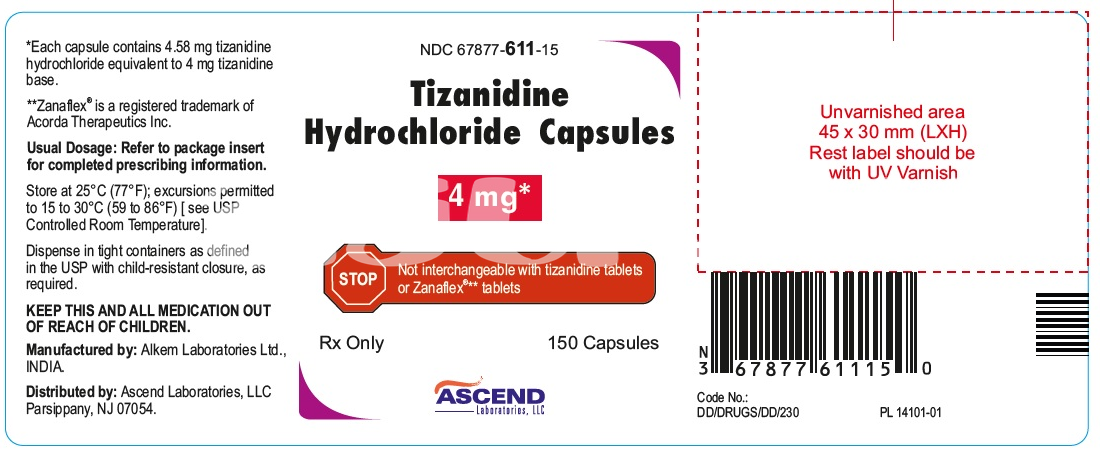
Doctors usually start tizanidine at a low dose, often taken at night so the body can adapt before daytime use. This cautious begining helps reduce sleepiness, dizziness, and drops in blood pressure while still easing painful muscle tightness. Because it acts quickly, timing matters; some patients do best using it before predictable flare-ups or physical activity.
Safer daily use depends on steady adjustments and honest follow-up. The dose may be raised slowly if relief is not enough, but it should never be changed on your own. Regular check-ins help match benefits with tolerability, and keeping a simple schedule can make tizanidine easier to fit into real life.
Managing Side Effects and Drug Interactions
Tizanidine can bring relief, but it often asks for patience. Drowsiness, dry mouth, and dizziness may show up first, so taking it at a calm time of day can help. Patients are advised to rise slowly and avoid alcohol, since both can worsen sedation and make daily tasks harder to manage.
A careful review of other medicines is essential. Tizanidine may interact with antidepressants, blood pressure drugs, and especially certain antibiotics or antifungals, raising the risk of low pressure or stronger side effects. Teh safest approach is to share every prescription, supplement, and over-the-counter product with a clinician before starting.
| Common issue | What may help |
|---|---|
| Sleepiness | Use the lowest effective dose |
| Dry mouth | Drink water and use sugar-free lozenges |
With steady monitoring, tizanidine can fit into chronic care without overwhelming the patient. Small dose changes, clear communication, and prompt reporting of unusual symptoms often keep treatment balanced, allowing pain control without unnecessary risk.
Comparing Tizanidine with Other Pain Options
Compared with NSAIDs or opioids, tizanidine offers a different path: it calms overactive muscle signals instead of dulling pain broadly. That can make it a useful option when tightness, spasms, or guarded movement are driving daily discomfort. Patients may notice better mobility and less stiffness, while avoiding some of the stomach or dependency concerns seen with other medicines. Still, its sedating effect means it is often chosen when evening relief or sleep support matters most.
Doctors often weigh tizanidine against baclofen, gabapentin, or physical therapy, looking for the best balance of relief and tolerability. It is not usually a first choice for every pain type, but it can complement other treatments when muscle tone is a major issue. Careful selection matters because low blood pressure and drowsiness can limit use. NCBI Bookshelf FDA Label
https://dschnur.com/wp-content/uploads/2022/08/png/robaxin.html https://urologicalcare.com/wp-content/uploads/2024/10/jpg/cialis-super-force.html